

Immigration & Cultural Identity Counselling in Vancouver
Immigration, Identity, Culture, and Belonging
The process of immigration and settlement is inherently stressful. Moving between countries, cultures, languages, and ways of life can affect so much more than simply where you live: how you see yourself, your relationships, your family, and where you feel you belong.
Immigration can bring relief, possibility, or a sense of starting over. It can also bring grief, loneliness, family pressure, discrimination, and the strange experience of building a life somewhere new while still feeling connected or tied to another world. Separation from family and home culture, language barriers, differences in social norms, career change/loss, lack of support, and changes in family structure or roles can be quite disruptive.
These experiences can continue to hold impact long after the logistical parts of immigration are settled, and the affect on emotional wellbeing is often profound and lasting across generations.
Our counsellors and therapists work with immigrants, newcomers, refugees, second-generation adults, adult children of immigrants, and people navigating the longer-term effects of migration and cultural identity within their families. We recognize the diverse and complex cultural factors woven into how we heal and process life, and the necessity for culturally responsive, trauma-informed, and relational counsellors. Our counsellors bring trauma-informed, relational, and culturally responsive approaches while staying curious about your particular experience rather than making assumptions about what your culture or identity means to you.
Keep reading to learn more.
Browse our available counsellors further down the page.
Know you want support already? Connect with us below!
Know you want support but not sure where to start?
Our counsellors are people first. We truly believe that no one is broken, even when we feel stuck, overwhelmed, or like something is wrong with us. You’re just human, and being human can be complicated (and sometimes frustrating) to navigate.
Come take your shoes off, curl up with some tea, and let’s make a plan.
Our Find a Counsellor form can connect you with a counsellor who feels like the right fit for you:
Immigration can affect us in ways that can be hard to explain to someone who hasn't lived through it, even multiple generations later
If you’re the one new to this country, it’s a big ask to try to build a new life in a place you aren’t used to, while simultaneously grieving the people, places, languages, or version of yourself you left behind. You might be navigating different expectations around lifestyle, relationships, family, marriage, gender, parenting or work between the culture you came from and the one you're in now. It might be the big things that seem different, but it could also be the small everyday moments like your cafe order or what lunch breaks look like.
You don’t have to have immigrated yourself for this to be part of your story.
These tensions often weigh heavily on you and can shape your experience for decades and generations to come. You may have a very different relationship to language, independence, cultural traditions, or Canadian life than the people who raised you (or your children, or relatives). What feels like independence to one person can feel like rejection or disrespect to another. A family can love each other deeply and still struggle to understand each other or relate to each other’s lives.
Experiences of racism, discrimination, or microaggressions, or the pressure to adapt can also be difficult to stomach, sometimes feel unexpected or jarring, and often end up being held or managed alone. Of course, these experiences may not even be the main reason you're seeking counselling, but may be woven into your life and your challenges, sometimes in a way that feels hard to pull apart or look at separately. Many people come to counselling to be supported around anxiety, grief, relationship difficulties, or burnout, and later realize culture, family history, or belonging were part of the picture too.
What Counselling Can Help With
Many of our counsellors hold specific training, experience and lived experience with various cultural backgrounds, including immigration and refugee experiences. Our counsellors value each client’s unique lived experience and worldview while reflecting on their own cultural values and biases.
In session, we can help clients navigate difficulties connected directly or indirectly to immigration, identity, family history and cultural heritage, including:
Adjusting to a new country or culture, whether you are a newcomer or part of a family shaped by immigration or refugee experiences
Immigration-related grief, loss, loneliness, and homesickness
Identity, cultural identity, self-esteem, and feeling caught between cultures
Racism, discrimination, and microaggressions
Family conflict across generations and intergenerational trauma and patterns
Different expectations around family, marriage and gender
Parenting challenges
Enmeshment, boundaries, and family roles
Childhood attachment wounds, including separation from family, neglect, abuse or developmental trauma
Interracial relationships and raising mixed-race children
Spiritual or existential questions connected to identity and belonging
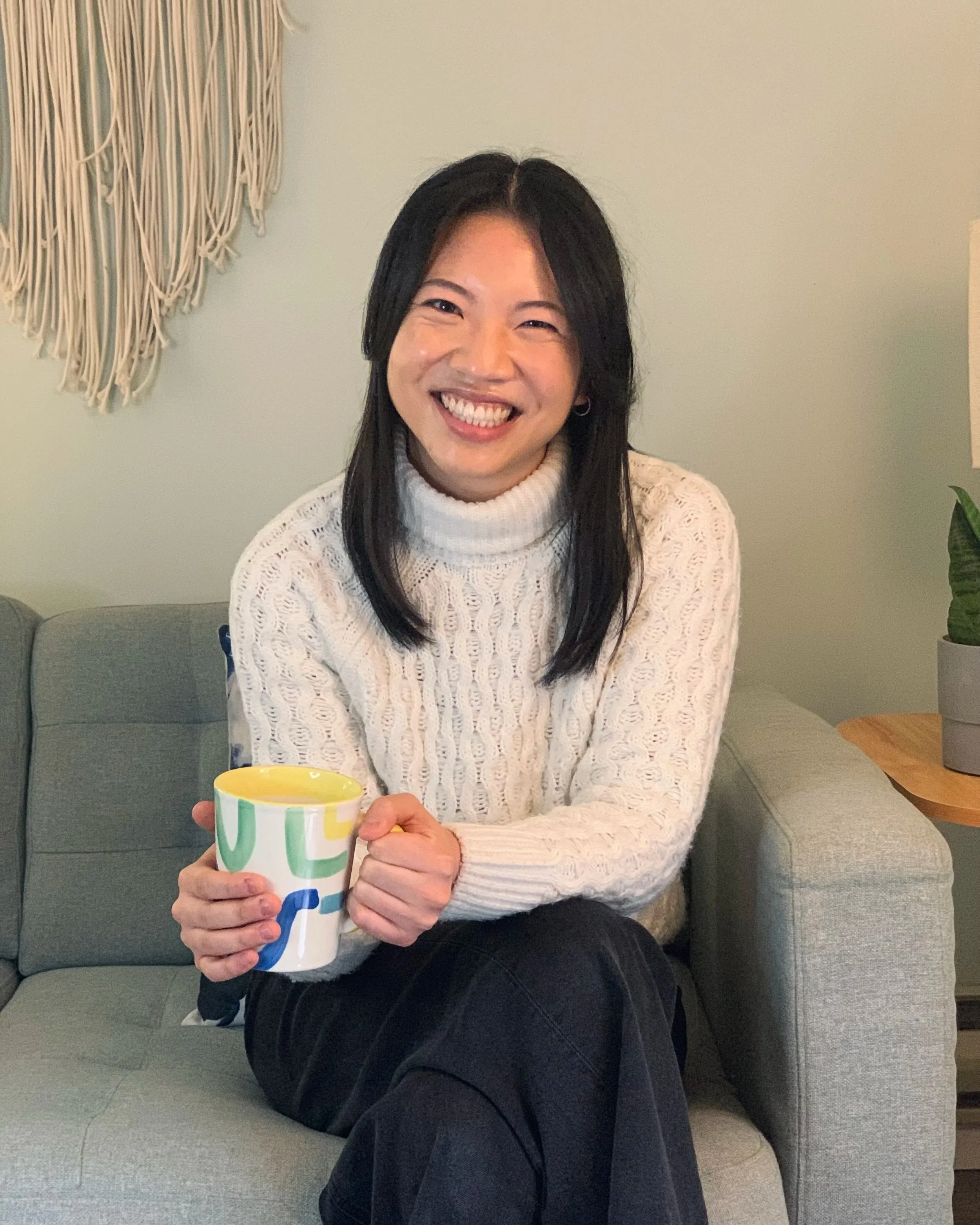


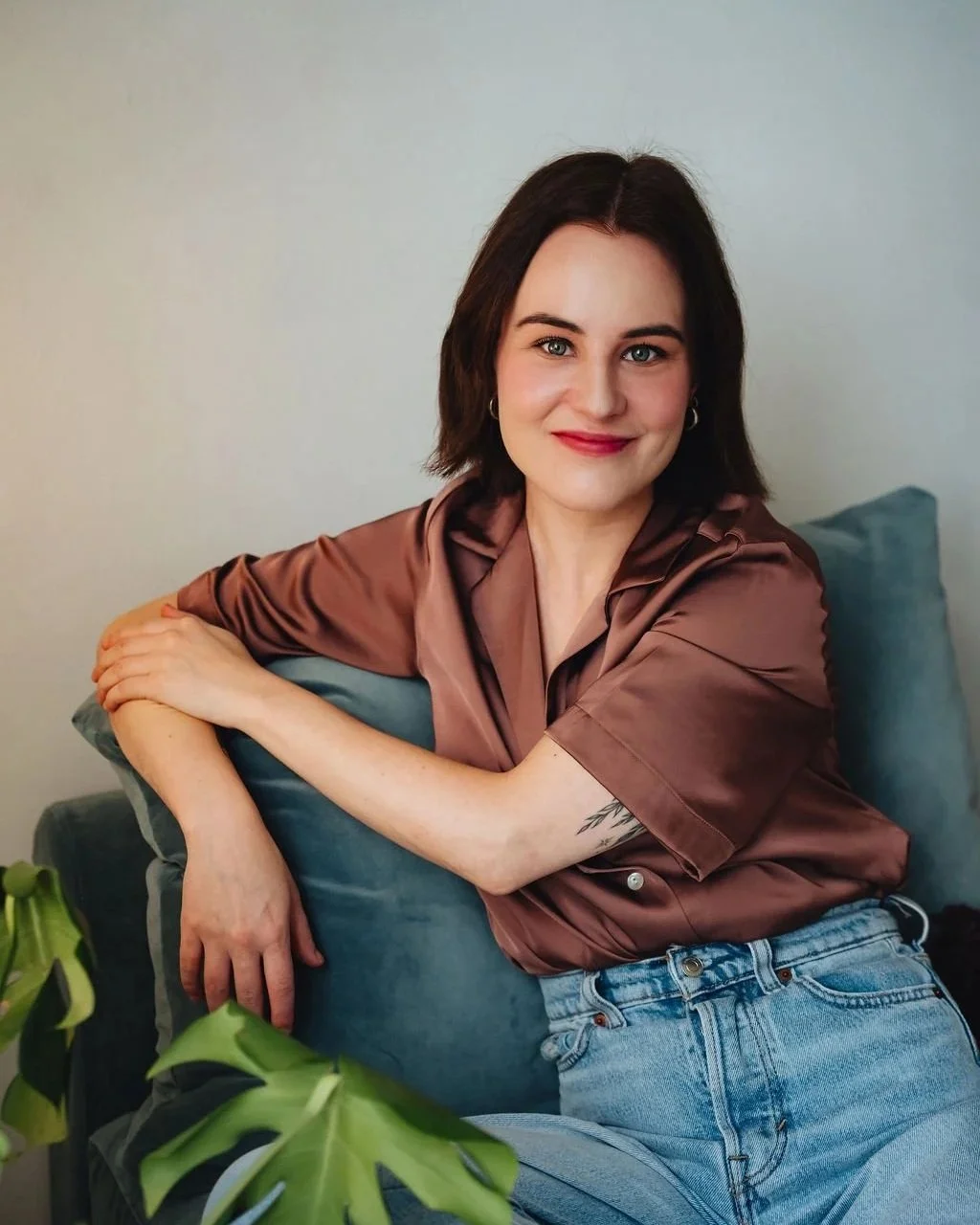

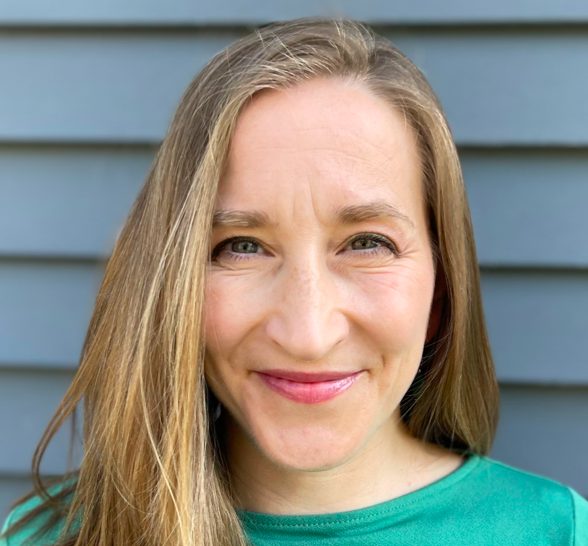
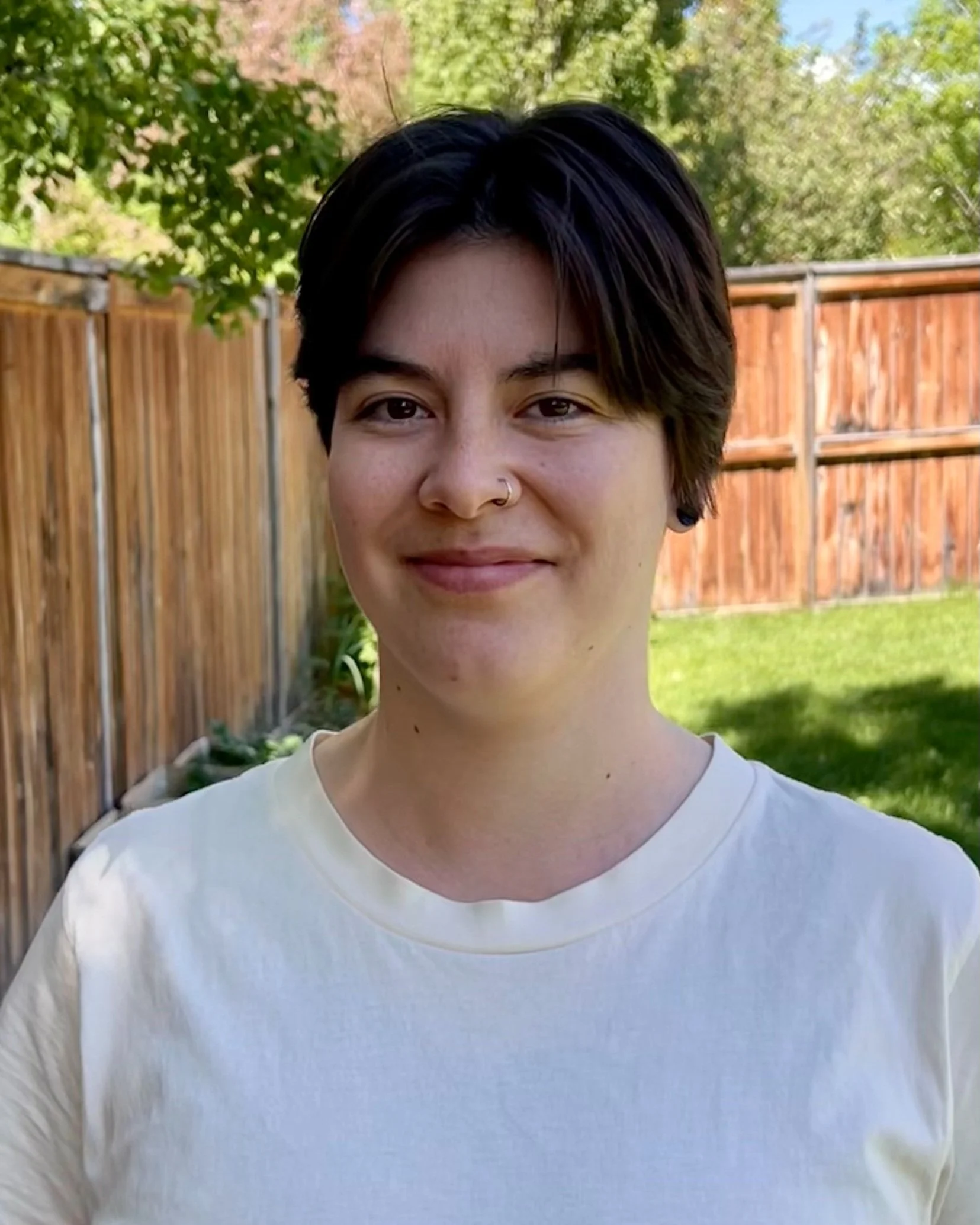
Meet Our Counsellors Who Work With Immigration, Cultural Identity, and Belonging
Finding the right counsellor matters, particularly when you're talking about culture, family, identity, or immigration.
Our team brings different clinical approaches, languages, cultural backgrounds, and lived experiences. Our counsellors bring personal experience with immigration or cross-cultural life, or specific training and clinical experience supporting immigrant, refugee, BIPOC, and racialized communities.
We offer free 15-minute consultations so you can connect and ask questions first.
You can browse our counsellors yourself or have our intake team help you find a potential fit.
You might find that your relationship with your culture, your family and your history can be deeply important and complicated at the same time. There also might be times when you feel disconnected from your background completely, while also knowing what it feels like to be deeply touched and connected to meaning and community through your culture.
While we know that sometimes it can be complex to hold all these different pieces alongside each other, particularly when you feel the need to adapt to different expectations depending on whether you're at home, at work, with friends, or with extended family.
There is space here to feel connected to some parts and disconnected from others in ways that feel real for you.
Identity Is Often a Complex, Non-Linear Story

Depending on who you are as a person, and what your background and history hold, it’s completely normal to experience challenges, and appreciation and belonging in different ways than others. Cultural identity, and what it means to you, can sit at the centre of the work, or can surface through a relationship conflict, a family expectation, or an experience of racism. Our counsellors are here to support you with your specific experience rather than assuming what your culture, family, or identity means to you.
Of course, this also includes bringing the parts that can be harder to name, and harder to feel: shame, loyalty, obligation, belonging, or the pressure to carry something forward for the people who came before you, that may or may not still feel like yours
Counselling for BIPOC and Racialized Clients
Being part of the BIPOC community, or navigating racialized experiences, can be part of your story regardless of where you’ve lived, or where you grew up.
While some aspects of the world are slowly changing, you likely know firsthand that racism is still something many have to navigate every day. Carrying racism, microaggressions, stereotypes, or having to explain yourself to those who don’t understand can be exhausting, and impactful to your ability to feel a sense of steadiness and belonging
These experiences can shape how safe you feel, who you trust, how you see yourself, and how connected you feel to your community. They can also become tangled up with family, culture, identity, and the question of where you actually feel at home.
A few of our counsellors have lived experiences and/or specific experience working with racialized experiences, cultural identity, and the social context that shapes our lives. These realities deserve space, which we can make room for without making them the whole story of who you are.
If working with a BIPOC counsellor matters to you, please let us know when you reach out so that you can feel as met and understood as possible.
Language and Cultural Context Matter
Finding a counsellor who understands your cultural context can be an important part of feeling comfortable enough to do meaningful work.
Our counsellors offer counselling in a few languages other than English, including Mandarin, Turkish and Tagalog, which you can search for on our counsellor page using the filters. Our counsellors also have experience working with immigration, refugee backgrounds, cross-cultural relationships in couples & relationship counselling, and intergenerational family dynamics.
Our counsellors draw from attachment-focused, somatic, trauma-informed, EMDR, and anti-oppressive approaches depending on what you're working through and what fits with who you are. We look at both the present-day concern and the larger context around it: family history, culture, relationships, body-based responses, identity, and the experiences that have shaped you.
For one person, counselling might involve processing what happened during immigration itself. For another, it might mean understanding patterns passed down through generations or finding a way to hold multiple cultural identities without feeling pulled apart by them.
If a certain approach, language, cultural background, immigration experience, or familiarity with a particular community matters to you, please let us know when you reach out.
You make sense, and you’re not alone.
Cultural identity, immigration, family, and belonging can be complicated to carry.
All of our counsellors offer a free 15-minute consultation. This offers you the chance to connect and ask questions about how they work, and get a sense of who you might feel comfortable with. It also helps us understand what you're looking for, so we can help you find a counsellor or therapist who feels like a great fit for where you are.
Our counsellors offer in-person counselling and therapy in Vancouver at our Kitsilano clinic, (1682 West 7th Ave, Suite 300, Vancouver BC) as well as online for clients anywhere in British Columbia & beyond.
Frequently Asked Questions About Immigration & Cultural Identity Counselling
-
No. Immigration can continue to shape family relationships, identity, and emotional wellbeing long after someone has settled in Canada. This work can also be relevant for second-generation immigrants whose current concerns are connected to their family's immigration history.
-
Yes. Counselling can give you space to explore belonging, identity, family expectations, cultural differences, and the tension that can come with moving between different worlds.
-
Some of our counsellors offer sessions in Mandarin and Tagalog. Let us know what language you're looking for when you contact us and our intake team can help you explore your options.
-
Yes. Some of our counsellors are specifically support BIPOC clients and bring experience with racialized experiences, discrimination, cultural identity, and the social context surrounding mental health.
-
Absolutely. Experiences of racism and discrimination can affect mental health, relationships, identity, safety, and belonging. They can be part of the counselling conversation rather than something you need to separate from the rest of your life.
-
Yes. Families can have very different ideas about language, religion, independence, marriage, parenting, gender, and family obligation. Counselling can help you understand the patterns underneath the conflict and find new ways of relating.
RCC, Relationship/Couples Counsellor (She/Her)
Collaborative · Authentic & Human · Gentle Warm & Validating · Humour · Challenges Clients · Can Listen Without Fixing · Skills & Tools · Mind-Body · Land & Spirit Connection · Insight & Patterns · Emotional Focus
TANYA’S BIO & BOOKING →
Tanya brings a calm, grounded presence to the room and provides spaciousness for whatever feelings arise. She doesn't rush to tell you what to do, but stays curious about what matters to you and where you want to go. Tanya is especially drawn to supporting people through the complicated places where we can feel lost, alone or untethered, including when we're caught between cultures, family expectations, old roles and who we're becoming. Her work also makes room for connection with the body, the land and your own inner knowing.
Tanya offers counselling in English and Tagalog.
SPECIALTIES Life Transitions · Relationships & Attachment · Belonging & Loneliness · Anxiety · LGBTQIA+ & BIPOC Clients · Immigration & Multi-Cultural Experiences · Intergenerational Trauma · Cultural Identity · Family Distress · Substance Use · Non-Traditional Relationships
APPROACHES Somatic · Culturally Sensitive · Emotionally Focused · Humanistic · Parts Work · CBT · Trauma-Informed · Humanistic · Neuroaffirming · Relational Justice-Centred · Decolonial · Culturally Sensitive · Spirituality · Land-Based