

Grief Counselling in Vancouver
When you lose someone or something important, the loss can reach into parts of your life you didn't expect.
Grief doesn't always look like sadness. It can be anger that catches you off guard, relief that comes with guilt, or a strange numbness in the middle of an ordinary day.
It can affect your body, your relationships, and your sense of who you are. You may be grieving a relationship, a pregnancy, a beloved animal, a death, or a future you thought you were going to have.
Grief counselling gives you a place to make room for what has changed and find a way to live with the loss without having to rush through it. We also offer bereavement counselling for people grieving the death of someone they love.
Keep reading to learn more about grief counselling.
Browse our grief counsellors further down the page.
Know you want support already? Connect with us below!
Know you want support but not sure where to start?
Our counsellors are people first. We truly believe that no one is broken, even when we feel stuck, overwhelmed, or like something is wrong with us. You’re just human, and being human can be complicated (and sometimes frustrating) to navigate.
Come take your shoes off, curl up with some tea, and let’s make a plan.
Our Find a Counsellor form can connect you with a counsellor who feels like the right fit for you:
When it Might Be Time To Seek Grief Counselling
You don't need to be at a particular stage of grief, or have a particular kind of loss, to seek counselling.
You might reach out because:
You're overwhelmed by the loss and don't know how to live with it day to day
Grief is affecting your sleep, relationships, work, or everyday life
You're carrying guilt, anger, regret, or something that feels unfinished
You're experiencing anticipatory grief, or grieving a loss that hasn't happened yet
You're experiencing trauma alongside grief, or the circumstances of the loss continue to affect you
You're grieving a loss that other people don't recognize
You feel isolated or don't know who you can talk to
You're grieving while also trying to care for someone else
People around you have stopped asking about the loss, but you're still struggling
You can also seek grief counselling simply because you want somewhere to talk about what happened with someone who has the space to stay with it.
Grief and Loss Can Take Many Forms
Death is one kind of loss, but grief can follow any experience that changes something important in your life.
Losing someone you love
The death of a partner, parent, child, family member, or friend can change your sense of yourself and your world. Bereavement counselling can give you space to grieve the person, the relationship you shared, the things left unsaid, and the life you're learning to navigate without them.
Grief & neurodivergence
For some neurodivergent people, loss can affect more than emotions. Changes to routine, predictability, sensory regulation, communication, and daily structure can make an already difficult transition even more destabilizing.
The way you process emotion and social expectations can also shape how your grief is experienced and understood by others.
Anticipatory grief
Sometimes grief begins before a loss happens. You may be caring for someone who is dying, living alongside a serious illness, or watching a relationship or future change while it is still unfolding.
Pregnancy loss
Miscarriage, stillbirth, and pregnancy loss can bring grief for a baby, a pregnancy, a hoped-for family, your relationship with your body, or the future you imagined. It can also be isolating when the people around you don't know how to acknowledge what you've lost.
Traumatic or complicated loss
A sudden, violent, unexpected, or otherwise traumatic loss can bring grief alongside shock, fear, intrusive memories, guilt, or other trauma responses.
Grief can also feel especially complicated or prolonged when there are unresolved relationships, multiple losses, trauma, or circumstances that make the loss particularly difficult to integrate.
You may hear this described as complicated grief or, in some circumstances, prolonged grief.
Relationship loss
A relationship can end even when ending it was necessary or right for you. You may be grieving the person, the relationship, the life you built together, or the future you thought you would have.
Pet loss
An animal companion can be part of your home, routines, family, and everyday sense of connection. Losing them can leave a profound absence, even when other people don't understand why the loss feels so significant.
Identity, work & belonging
Friendships end. Careers change. Bodies change. Illness or disability can mean adapting to a life that looks different than expected. You can also grieve a role, identity, community, home, or sense of belonging.
You Might Be Grieving What You Lost.
Or, You're Grieving the Future You Thought You'd Have.
Anticipatory grief, and losses like miscarriage or separation, often carry this same quality: you're not only grieving what was, you're grieving a future that isn't going to happen the way you expected.
Grief isn't a straight line, either. You can feel more like yourself for a while, then find yourself deeply affected by the loss again, sometimes without warning. Loss can also change your sense of who you are. You may no longer occupy the role you once had, or you may be trying to imagine yourself in a life you never expected to live.
Grief Doesn't Follow a Singular Timeline
Most of the world moves on faster than grief actually does. Bereavement leave lasts a few days. People stop asking how you're doing after a few weeks, right around when grief is often at its heaviest.
You might notice people getting uncomfortable when you bring up the loss, or offering a quick reassurance that doesn't leave room for what you're actually feeling. So you learn to stop mentioning it.
“You get good at answering ‘I'm doing okay’ without lying exactly, just leaving out the parts that are still hard.”
Isolation and the wish for connection can sit right next to each other, and both can feel hard.
You may want people close to you, while also not wanting to explain yourself, reassure anyone, or perform being okay.
None of this means something is wrong with you. It often just means you're grieving in a world that isn't built to make room for how long grief actually takes.
Connect With One of Our Counsellors Who Work with Grief
Finding the right counsellor matters.
The following counsellors on our team have availability for new clients and bring different personalities, experiences and approaches to grief therapy.
We offer free 15-minute consultations so you can connect and ask questions first.
You can browse our counsellors yourself or have our intake team help you find a potential fit.





Grief Lives in the Body
Heavy & exhausted
Your body may feel slowed down, depleted, or difficult to move through.
Restless & activated
You may feel tense, restless, unable to settle, or suddenly overwhelmed.
Disconnected
Sometimes grief feels like numbness, distance, or difficulty sensing what is happening inside.
A smell, song, or ordinary moment can bring a physical wave of grief long after you thought you were doing better. A grief therapist or counsellor trained in somatic work can help you pay attention to these experiences without forcing them to disappear.
Grief Changes Relationships
Grieving together, differently
When we lose someone we're attached to, we're not only losing their physical presence. We're also adjusting to the absence of a relationship that helped shape our sense of safety, belonging, and home in the world. Different people can respond to the same loss in completely different ways.
Several of our counsellors also work with couples navigating grief together, particularly when a loss has changed the way partners relate to one another.
Culture, spirituality & belonging
Family expectations, cultural traditions, spiritual beliefs, and rituals can influence what we feel expected to carry, what gets talked about, and what kind of mourning feels possible.
There can also be tension between the way you need to grieve and the way other people expect you to grieve. Counselling can make room for those differences without assuming there is one correct way to mourn.
What Grief Counselling Can Look Like
Telling the story
You may begin with what happened and the parts of the loss that still feel difficult to put into words.
Making space for what you're carrying
The work can move into emotions, body sensations, relationships, guilt, anger, longing, or things that haven't had somewhere to go.
Making meaning
Over time, counselling can help you explore what the loss means to you now, how it has changed your sense of yourself, and what you want your life to hold going forward.
This isn't about moving away from the loss or back to who you were before. It's about making room for what happened, while still making room for who you're becoming.
Sometimes grief counselling is about having somewhere to bring what you haven't been able to say anywhere else, with support that can meet you where you are.
You make sense, and you’re not alone.
Bring what you’ve lost, what feels heavy, and take your time.
All of our counsellors offer a free 15-minute consultation. This offers you the chance to connect and ask questions about how they work, and get a sense of who you might feel comfortable with. It also helps us understand what you're looking for, so we can help you find a counsellor or therapist who feels like a great fit for where you are.
Our counsellors offer in-person grief counselling and therapy in Vancouver at our Kitsilano clinic (1682 West 7th Ave, Suite 300, Vancouver BC) as well as online for clients anywhere in British Columbia & beyond.
Frequently Asked Questions Grief Counselling and Therapy
-
Bereavement counselling is a form of grief counselling that supports people following the death of someone they love. It can provide space to process the loss, the relationship, the changes it has brought to your life, and whatever you're carrying emotionally and physically.
-
Yes. Grief can follow separation, estrangement, job loss, miscarriage, pet loss, illness, or the loss of a future you expected to have.
-
Grief doesn't follow a fixed timeline. Anniversaries, memories, or life transitions can bring aspects of grief forward again long after the initial intensity has changed.
-
Several of our counsellors work with couples navigating grief and loss together, helping each partner understand how the other is experiencing the loss.
-
Yes. New Tides offers grief counselling online anywhere in British Columbia, as well as in-person counselling in Vancouver.
RCC (They/Her)
Collaborative · Authentic & Human · Gentle Warm & Validating · Welcomes Humour · Challenges Clients · Client-Led · Skills & Tools · Mind-Body · Insight & Patterns · Emotional Focus
LAUREN’S BIO & BOOKING →
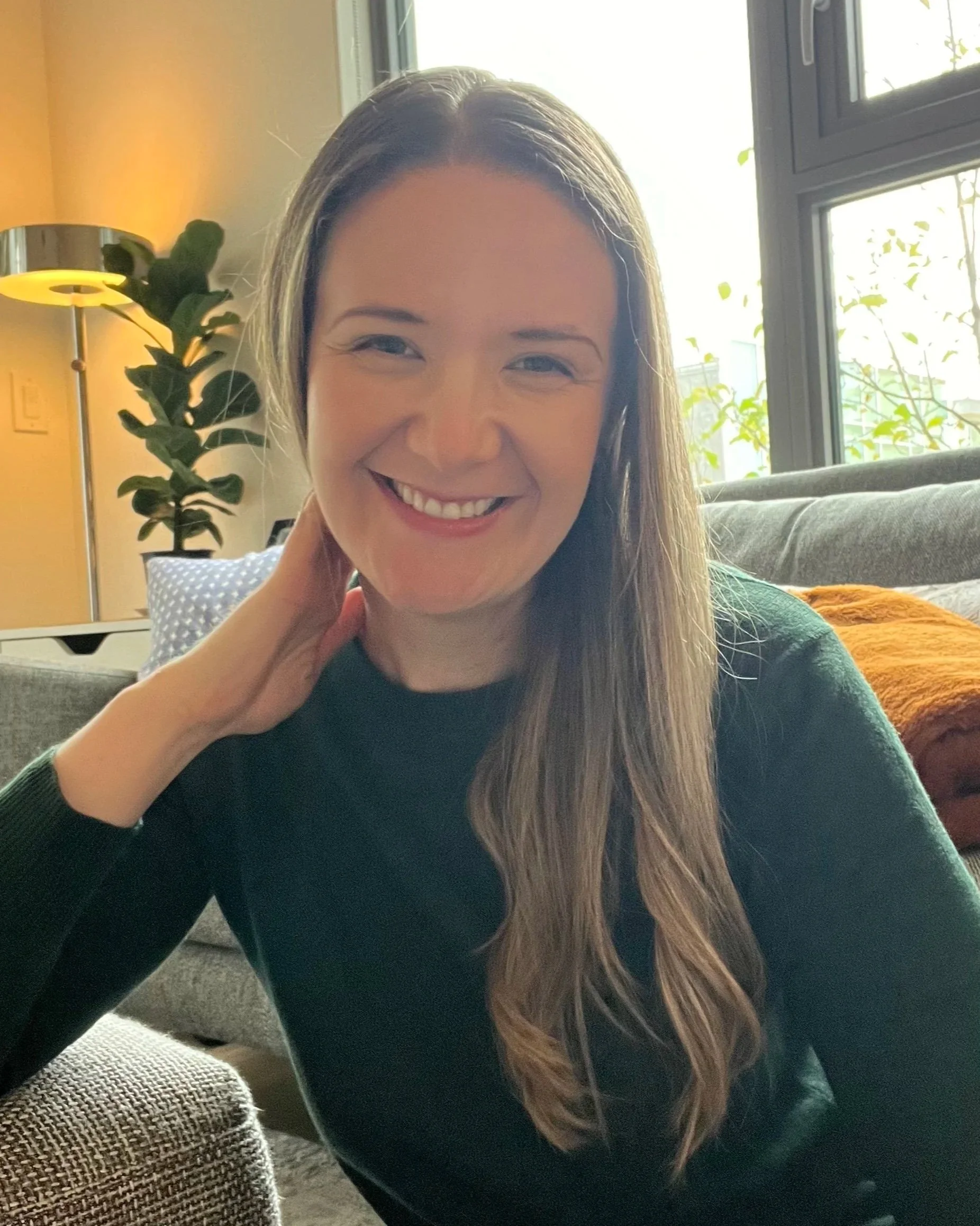
Lauren brings a collaborative, open and human presence to counselling. They allow time for you to settle in without pressure, and become comfortable, with space for harder and deeper conversations once trust is built. Lauren brings lived experience as a longtime performer and artist, queer and neurodivergent person, and brings social justice, compassion and body acceptance into her work. The strives to create a space where each person can be fully themselves without the need to filter or hide who they are.
SPECIALTIES Neurodivergence · LGBTQIA+ · Anxiety & Panic · OCD · Depression · Burnout · Attachment · Family Relationships · Inner Child Work · Life Transitions
APPROACHES Somatic · DBT · IFS · Fat Liberation & Body Acceptance · Mindfulness · Anti-Oppressive · Narrative · Emotion Focused · Attachment-Focused · ACT · Trauma Informed · Sex Positive · Neurodivergent-Affirming